knacksnews
Best Practices for Converting AVI Files to JPG Format
Converting AVI files to JPG format can be useful when you need to extract still images from a video. This process allows you to save individual frames as high-quality pictures, which can be used for presentations, analysis, or creative projects. While it may sound technical, there are simple tools and methods available to help you do this easily and efficiently. This guide will walk you through the best practices to ensure smooth and effective file conversion.
Understanding AVI and JPG Formats
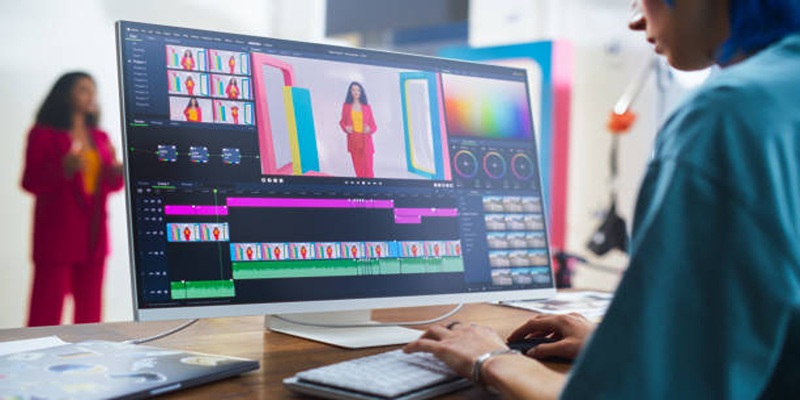
The multimedia container format AVI (Audio Video Interleave) exists as one of Microsoft's widely utilized creations. This format allows storage of both audio and video data into a single file so various media players can easily play the contents. JPG as (Joint Photographic Experts Group) serves as a prevalent image file format for photograph and graphic storage because it provides compression capabilities alongside minimal quality deterioration. When you transform an AVI file into JPG format the system saves each frame as its own unique JPG file.
Choosing the Right Conversion Tool
There are various online and offline tools available to convert AVI files to JPG format. Some popular choices include FFmpeg, Handbrake, and Adobe Premiere Pro. When choosing a tool for conversion, consider factors such as compatibility with your operating system, user-friendliness, and the output quality of the converted images. It is also recommended to check reviews and tutorials before making a decision.
Preparing Your AVI File for Conversion
Before starting the conversion process, it is important to prepare your AVI file properly. This includes trimming unnecessary footage from the video and ensuring that the resolution and aspect ratio are suitable for your intended use. Additionally, make sure that your AVI file is not corrupted or damaged, as this can affect the quality of the converted images.
3 Simple Methods to Convert AVI to JPG Quickly
Method 1: Using an Online Converter
Using an online converter is one of the fastest and easiest ways to convert AVI files to JPG images. Follow these steps for a seamless process:
Choose a Reliable Online Converter
Research and select a trusted online tool, such as CloudConvert or Online-Convert, to ensure security and quality.
Upload Your AVI File
Navigate to the converter's website and upload your AVI file. Most tools offer drag-and-drop features for convenience.
Adjust Settings
Configure the output settings, including the frame rate or specific timestamps for the images you want to extract.
Download the JPG Files
Once the conversion is complete, download the output JPG images and verify their quality.
Method 2: Using FFmpeg Command Line
For those familiar with command line tools, FFmpeg offers a quick and efficient way to convert AVI files to JPG format. Follow these steps:
Install FFmpeg
Download and install the latest version of FFmpeg on your computer.
Open Terminal or Command Prompt
Navigate to the folder where you have installed FFmpeg and open a terminal or command prompt window.
Run the Conversion Command
Use the following command: ffmpeg -i input.avi -r 1 output_%0d.jpg. This will convert each frame in the AVI file into a single JPEG image.
Method 3: Using Adobe Premiere Pro
If you have Adobe Premiere Pro installed on your computer, converting AVI files to JPG can be done quickly and efficiently within the software. Follow these steps:
Import Your AVI File
Open Adobe Premiere Pro and import your AVI file into the program.
Set In and Out Points
Use the in and out points to select the specific frames you want to convert.
Export as Image Sequence
Go to File > Export > Media, select "Image Sequence" from the format dropdown menu, and click Export.
Choose JPG as Output Format
In the export settings, choose JPEG as the output format and adjust any other settings according to your preference.
Optimize Quality After Conversion
After converting your AVI file to JPG format, there are some steps you can take to optimize the quality of the images. This includes adjusting the brightness and contrast, cropping or resizing as needed, and using photo editing software for touch-ups if required.
Tips for Efficient Conversion

To ensure a smooth and efficient conversion process, here are some additional tips to keep in mind:
- Make sure you have enough storage space before starting the conversion.
- Avoid running other programs while the conversion is in progress to prevent any delay or interruption.
- Check the output settings carefully before starting the conversion to avoid any unexpected results.
- Keep an eye on your computer's CPU and RAM usage during the conversion process. If they are reaching high levels, consider closing unnecessary applications.
Common Issues and How to Solve Them
Some common issues you may encounter during the conversion process include low-quality images, missing frames, or errors. Here are some solutions for these problems:
- Low-Quality Images: This can be caused by using a low-quality AVI file or incorrect output settings. Make sure to use a high-quality AVI file and double-check your output settings.
- Missing Frames: If you notice that some frames are missing from the converted images, it could be due to a corrupted or damaged AVI file. Try converting another copy of the original file.
- Errors: If you encounter any errors during the conversion process, make sure all necessary programs and tools are installed correctly and try again.
Conclusion
Converting AVI files to JPG format can be a useful way to extract specific frames from a video or to create individual images for various purposes. By understanding the differences between these two formats, choosing the right conversion tool, and following best practices, you can ensure a successful and efficient conversion process. Remember to optimize image quality after conversion and troubleshoot any issues that may arise for a smoother experience. So keep exploring different tools and techniques to find what works best for your specific needs!
On this page
Understanding AVI and JPG Formats Choosing the Right Conversion Tool Preparing Your AVI File for Conversion 3 Simple Methods to Convert AVI to JPG Quickly Method 1: Using an Online Converter Choose a Reliable Online Converter Upload Your AVI File Adjust Settings Download the JPG Files Method 2: Using FFmpeg Command Line Install FFmpeg Open Terminal or Command Prompt Run the Conversion Command Method 3: Using Adobe Premiere Pro Import Your AVI File Set In and Out Points Export as Image Sequence Choose JPG as Output Format Optimize Quality After Conversion Tips for Efficient Conversion Common Issues and How to Solve Them ConclusionRelated Articles

9 Powerful Chrome Extensions for Effortless Screenshots
Which Free Converter Keeps Image Quality: PNG to JPG or PNG to WEBP?

Top 7 UI/UX Design Tools Every Designer Should Know

Programmatic SEO: How Can You Increase Search Traffic Using No-Code Tools

How to Fix Khan Academy Buffering and Stream Videos Smoothly

Troubleshooting GitHub Push Errors Related to Authentication
Troubleshooting Video Editing Glitches: Tips and Fixes That Work

Which Are The 6 Best Email Clients for Mac: A Comprehensive Comparison
Simple Methods to Convert ISO Files to MP4 for Beginners

Omnichannel Marketing 101

What is CX: A Beginner's Guide to Customer Experience Management